The Fundamentals of a Winning Prize Program
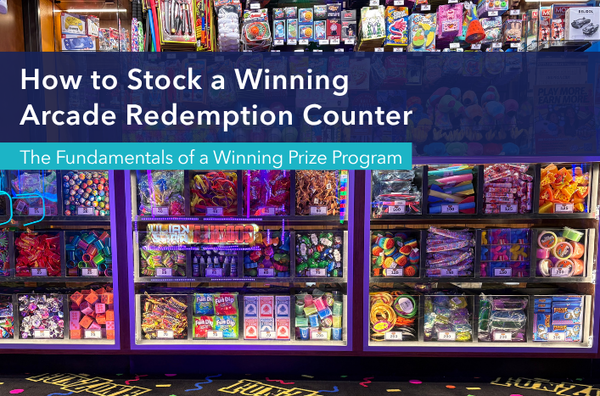
The redemption counter is the heart of your family entertainment center. It’s where the hard-earned tickets of your guests finally turn into real-world rewards. If your counter is disorganized or stocked blindly, you aren’t just losing sales; you could be losing the repeat visits that sustain your business.
Building a successful redemption program comes down to understanding your audience, optimizing your hardware, and structuring your inventory based on real data.
1. The 4 Player Types: Who Are You Stocking For?

Before buying any inventory, you’ll need to know who is walking up to your redemption counter.
Your guests generally fall into four distinct player types:
The Impulse Player: Typically younger, these guests are all about instant gratification. They want to spend all their tickets (usually 250 or fewer) before leaving. This group represents the vast majority of the prize volume moving through a standard counter.
The Trader: These players plan to win a specific mid-tier prize. If they fall short, they “trade down” the wall for something similar in the same theme, spending between 250 and 1,250 tickets. They represent a significant portion of your traffic.
The Saver: Typically older, these guests save tickets across repeat visits for something trendy and valuable, spending between 1,250 and 3,750 tickets.
The Super Saver: Your most loyal, strategic regulars who spend over 3,750 tickets at a time. They are likely local (and have lots of friends!)
It is important to remember that the Saver and Super Saver tiers represent a very small portion of the overall prizes redeemed. When you are planning your inventory budget, you want your dollars to go as far as possible and serve as many guests as you can. This means the vast majority of your budget should be heavily focused on the Impulse and Trader categories — that sweet spot of 1,250 tickets and below.
2. The Physical Layout: Essential Hardware
Every location is different, so it is important to choose a setup that works best with your specific facility. Your guests and their overall experience should always be the number one priority. You want a clean, professional look and layout that maximizes space and keeps the checkout line moving.
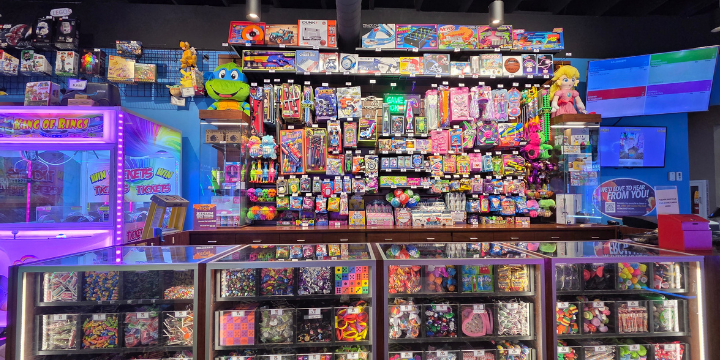
The 24-Bin Sweet Spot: Clear containers are the backbone of your high-volume counter. We find that 24 bins — 12 for bulk candy and 12 for small novelty toys — is a fantastic, manageable number that is easy to maintain and keep track of while offering a mountain of choices for Impulse Players.
Wall Space (Slatwall): Slatwall is the preferred choice for a clean, premium look, though gridwall works well too. This vertical real estate is exactly where the bulk of the items for your Trader and Saver guests will live.
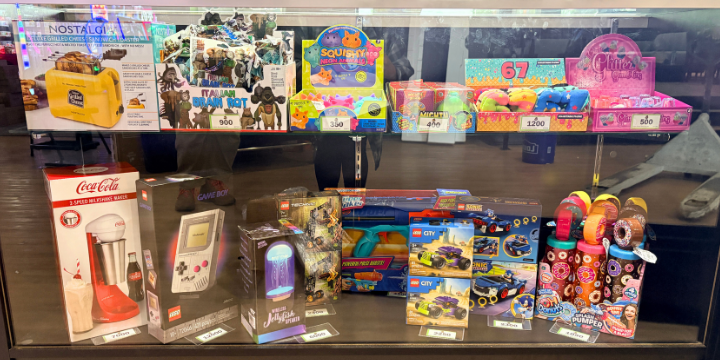
Locked Display Cases: Essential for your valuable collectibles and high-end electronics. This secure showcase is where your premium Super Saver prizes will go, preventing theft while adding an aura of prestige that makes those top-tier items look even more desirable.
The Checkout Flow: To avoid massive bottlenecks, never place your most popular themes or “hot” items right next to the cash register. Keep the checkout area clear so transactions move quickly, and spread your popular displays further down the counter.
Just getting started planning your FEC space? Redemption Plus offers Design Services to help you plan your space. Learn more here.
3. The Product Mix: Top Themes and the 80/20 Rule
You’ll want to resist the urge to add random items to your cart.
We get it, cute plush and hot movie items are always tempting, but your inventory should be highly intentional, balanced using the 80/20 Rule, and organized cleanly by category. Human brains naturally understand and look for patterns, so grouping your items up by theme is essential. When products are displayed by clear, distinct themes, it makes it much easier and faster for kids to browse and check out, keeping your lines moving.
To maintain a balanced mix, you want to keep about 75% to 80% of your counter as your core staple prizes — things like giant sticky hands, samurai swords, and Tootsie Rolls that you know will sell week in and week out. The remaining 20% to 25% of your SKUs should be rotated frequently to keep things fresh. Use that smaller portion for new movie related items, hot video game releases, trending internet pop culture, and seasonal prizes instead of overhauling your entire layout.
Based on real performance data, here are the top-selling themes you’ll want to group together on your counter and walls:
The Big Three (The Heavy Hitters)
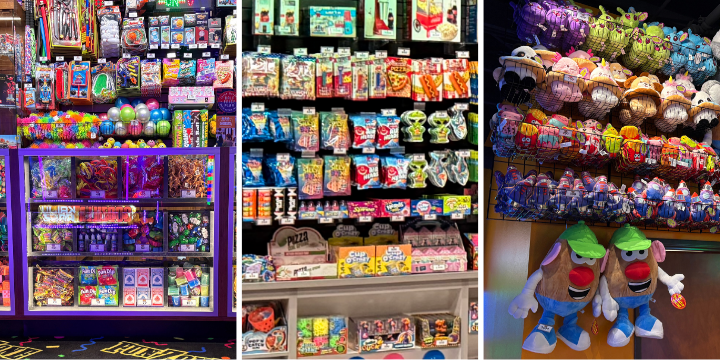
- Bin Toys & Bin Candy: Your absolute highest volume driver, kept right in those front counter bins for quick, low-ticket grabs.
- Large & Novelty Candy: Movie theater boxes, bagged gummies, and premium treats. Display these on tiered shelves or in display cases. They are the perfect high-value fallback for The Trader.
- Plush: A massive category that also drives your crane machines. Display small and mid-sized plush neatly in baskets. For large, oversized plush, hang them proudly at the top of your wall to catch everyone’s eye.
Core Supporting Themes
Once the “Big Three” are taken care of, round out the rest of your wall space by grouping these popular categories, ranked in order of sales performance:
- Action Gear: Blasters, swords, and battle items.
- Lights & Glow: Everything from pocket glow sticks up to lava lamps for bedroom decor.
- Games & Puzzles: Board games, brain-teasers, outdoor games, and outdoor play items that offer great value.
- Balls: Everything from smaller balls in your bins up to full-sized sports balls displayed in baskets or open dump bins.
- Putties & Slimes: Highly tactile, trendy compounds.
- Accessories: Keychains, wearables, and dress-up playsets (like princess kits).
4. Aspirational Prizes: Getting to Know the Super Saver
At the very top of your ecosystem — safely locked inside your glass showcase — sit your Aspirational Prizes. These are the high-ticket items requiring more than 3,750 tickets.
While these prizes are an important visual piece of your counter, you do not need to buy deep into them. Save the bulk of your inventory budget for the lower-ticket items that serve the majority of your guests. For these top-tier items, you may only need to buy one at a time. Once that item gets redeemed, you can simply replace it. This is highly effective practice — especially for electronics, which tend to upgrade and change out frequently.
Aspirational items target your Super Savers — your most loyal guests who are incredibly strategic about playing on specific days or maximizing their ticket payouts. Take the time to get to know these regulars by name. Since they are so passionate about your game room, they are the perfect source for valuable feedback on exactly what kind of high-end prizes they want to see on the shelves. Pro Tip: They’re also likely (naturally) your biggest brand ambassadors!
Wrapping Up
Stocking a redemption counter isn’t just about buying toys; it’s about managing a mini-economy. By setting up the right hardware, keeping your core inventory consistent while rotating in fresh trends, and letting player spending habits guide your layout, you’ll turn that corner of your facility into a seamless, high-profit machine.
Need help setting up your redemption program? We’re here to help!
Visit Redemption Plus!
Reach out to us:
smile@redemptionplus.com
1–888–564–7587
Chat with us on our website!
Always stay in the know — Sign up for our newsletter, today!